In this article7 sections
There is no flat rate for hood cleaning, because no two exhaust systems are the same. A single hood with a short duct straight up to the roof is a very different job from three hoods feeding a long horizontal duct run across a building. Here is what actually drives commercial hood cleaning cost, and how to tell a good quote from one that leaves work undone.
What drives commercial hood cleaning cost
1. Size of the system
The number of hoods and their total length is the biggest factor. More hood means more plenum and more filters to clean, and usually more ductwork behind it.
2. Ductwork length and layout
A short vertical duct is quick. Long horizontal runs, multiple turns, several floors or ducts that run through finished ceilings take more time and more access points to clean properly.
3. Access
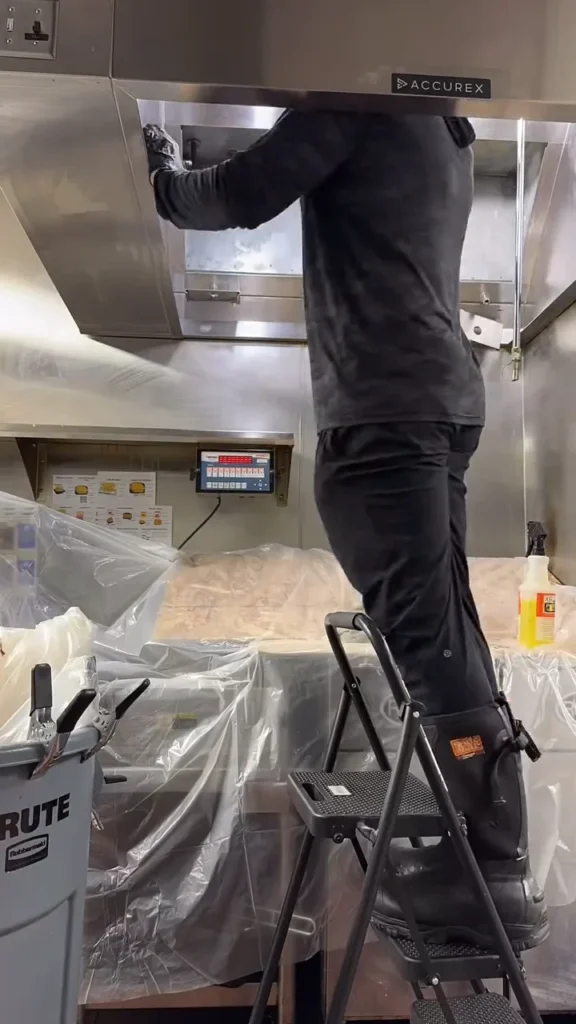
Crews can only clean what they can reach. Systems with enough access panels clean faster. Systems without them may need panels installed, which is a one-time cost that makes every future cleaning easier and more complete. Roof access matters too: an interior roof hatch is simpler than a tall ladder or lift.
4. Exhaust fan type and condition
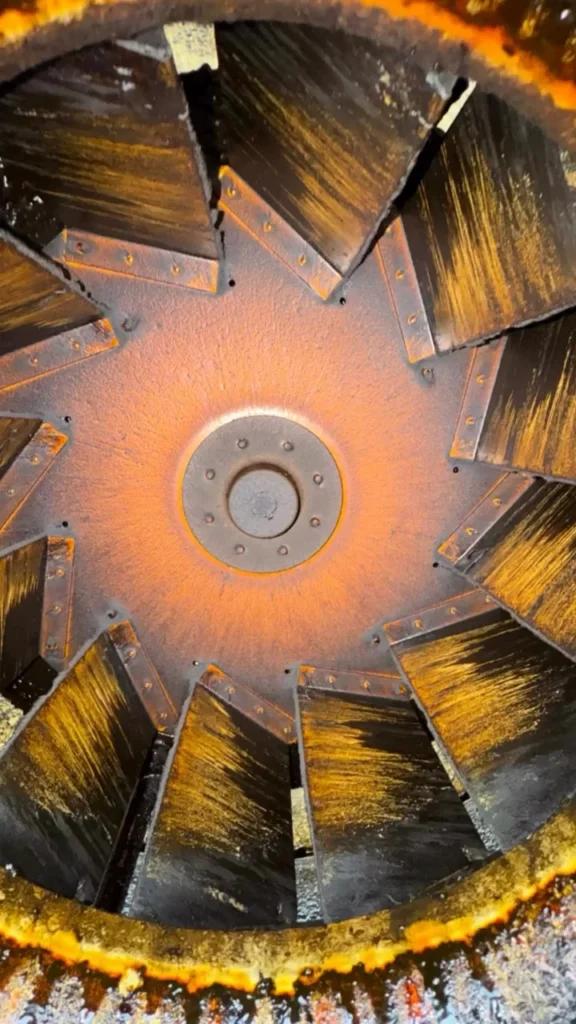
Upblast fans should have a hinge kit so they can be tipped back for cleaning, and many codes require one. Fans without hinges, utility-set fans and fans with heavy buildup take longer to service.
5. How much grease has built up
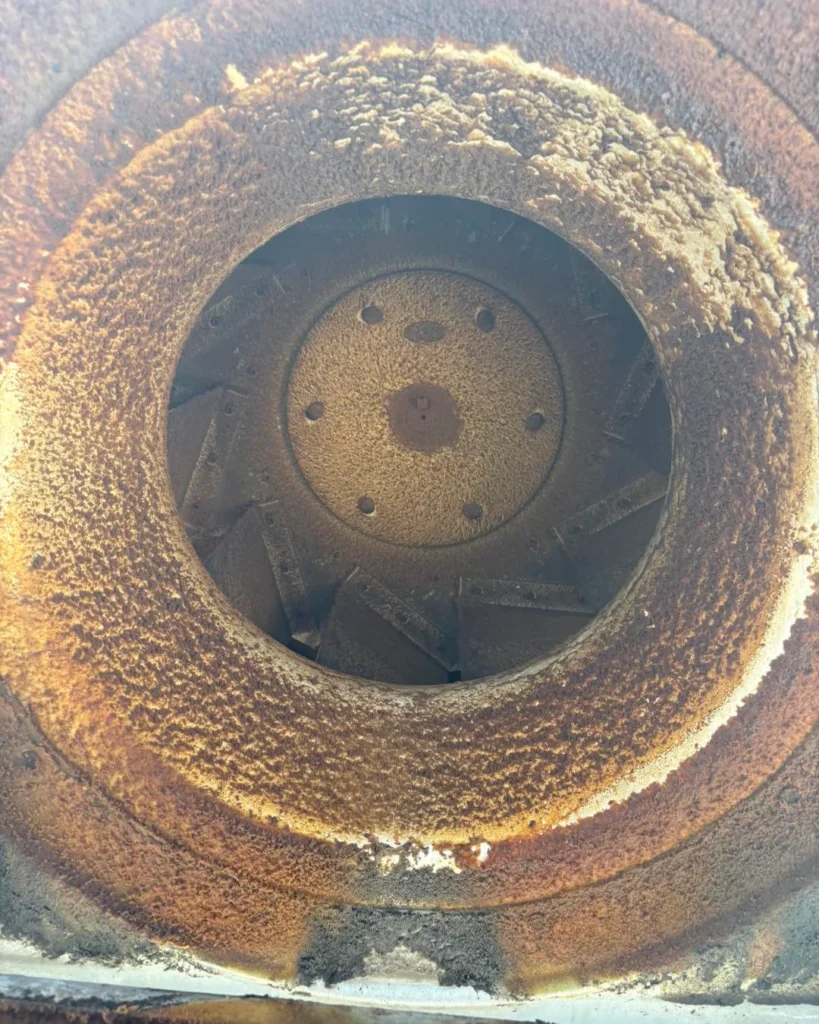
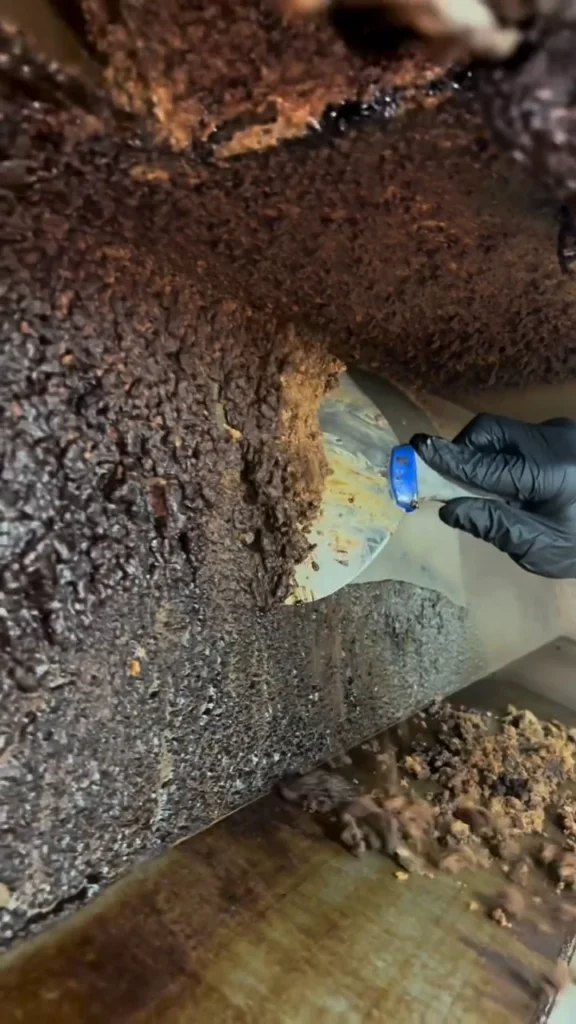
A system cleaned on schedule is mostly maintenance. A system that has gone a year or more past due can take two or three times as long, with heavy scraping before washing even starts. The first cleaning on a neglected system almost always costs more than the ones that follow.
6. Type of cooking and frequency
Solid fuel, charbroiling and wok cooking load a system fast. Kitchens on a monthly or quarterly schedule usually pay less per visit, because each cleaning starts from a cleaner baseline.
7. Scheduling
Most hood cleaning happens overnight or early morning so the kitchen can stay open. Tight time windows, weekend-only access or same-day emergency requests can affect price.
8. Add-ons
- Access panel installation.
- Fan hinge kits.
- Rooftop grease containment systems.
- Filter exchange programs.
- Fan belt replacement or minor fan repair.
What to look for in a quote
The cheapest quote is not a bargain if it skips half the system. Before you compare prices, confirm each quote covers the same work:
- Full system. Hood, filters, plenum, accessible ductwork and the exhaust fan, not “hood only.”
- Cleaning to bare metal per NFPA 96 cleaning standards, not a quick spray-down.
- A label and written report, including any areas that could not be reached.
- Before and after photos, so you can see the duct and fan without climbing on the roof.
- Clear pricing for add-ons, so there are no surprises when the crew finds a missing access panel.
Red flags
- A price quoted over the phone without anyone seeing the system.
- No mention of the ductwork or fan.
- A sticker on the hood, but no report.
- No photos, or photos of the hood only.
- “We cleaned everything” on a system you know has sections with no access.
How to keep hood cleaning costs down
- Stay on schedule. Overdue systems cost more to clean.
- Keep up with filter cleaning so less grease reaches the duct and fan.
- Add access panels once, and every cleaning after that is faster and more complete.
- For multiple locations, use one company for all sites to simplify scheduling and records.
For more on what a compliant cleaning includes, read the NFPA 96 Hood Cleaning Requirements: A Plain-English Guide.
How ShineIQ quotes
We start with a free inspection, so your quote is based on your actual system, not a guess. You get a clear, itemized quote before any work starts, and every cleaning ends with an After-Service Report showing exactly what was done.
Get a quote based on your actual system
Schedule a free inspection and we will walk your hood, duct and fan, then send you a clear quote.
Sources
Related guides