In this article11 sections
Your cleaning schedule is a minimum, not a guarantee. A busy season, a menu change or a damaged filter can load a hood system with grease well before the next appointment. Here are seven signs your kitchen hood needs cleaning now, and what to do about each one.
1. Grease dripping from the filters or hood
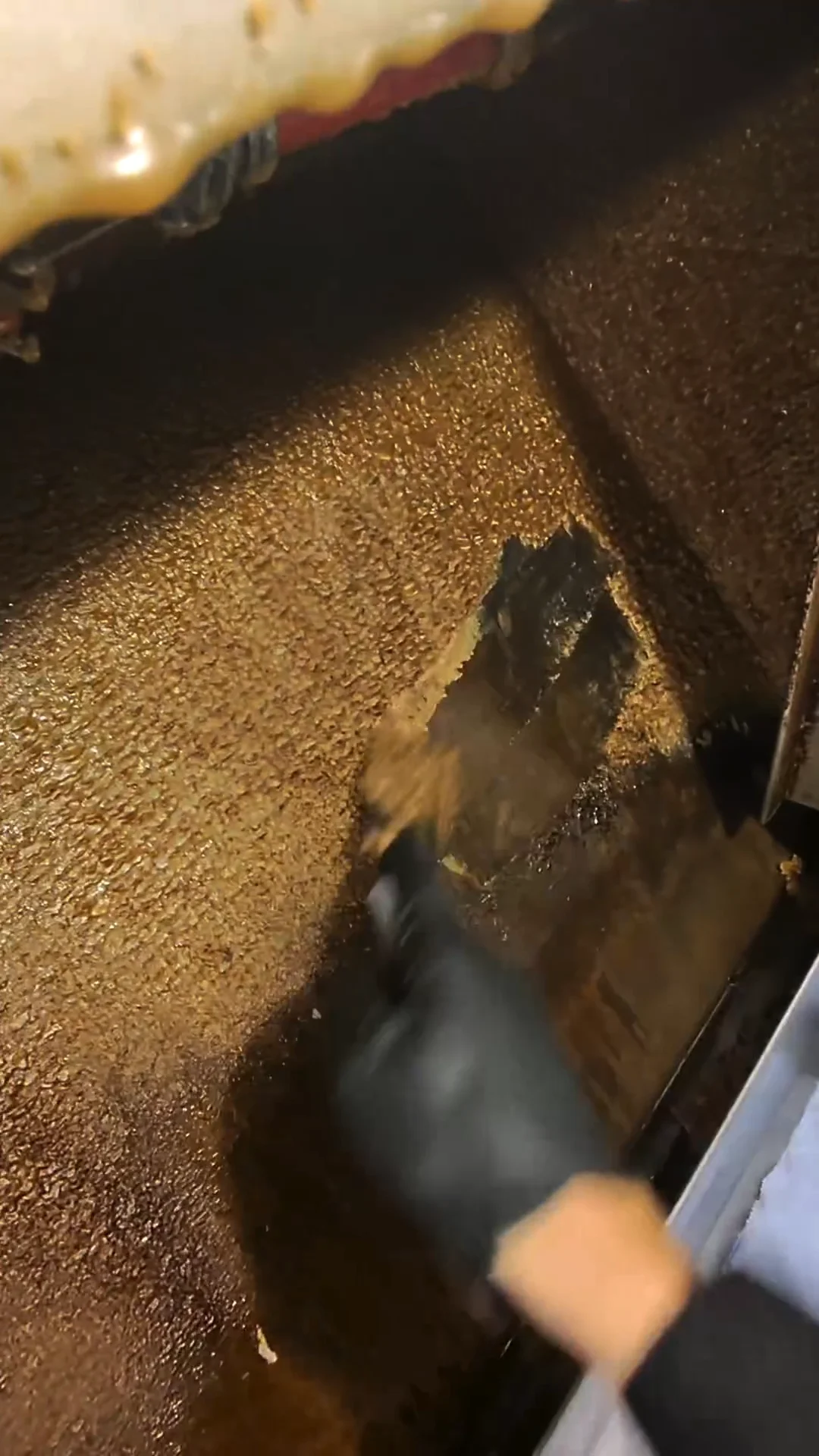
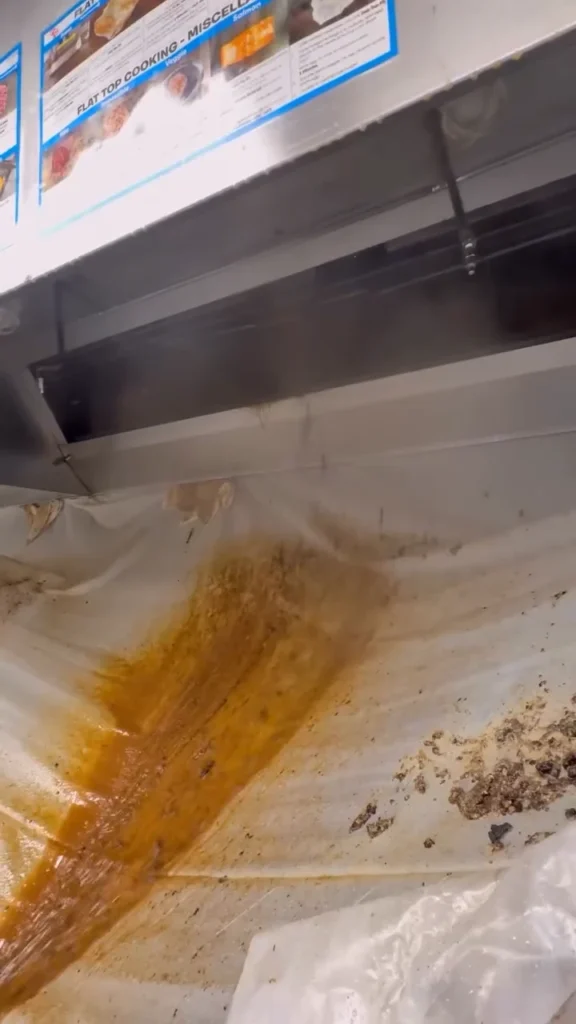
Filters that are saturated will start to drip, especially at the bottom edge and the grease trough. Grease on the hood’s outer surfaces or running down the front lip means the system is holding more than it can drain.
What to do: Clean or exchange the filters right away. If filters are clean and grease is still showing on the hood, the plenum and duct behind them likely need a full cleaning.
2. Smoke or heat hangs in the kitchen
A hood that is working pulls smoke up and out. When smoke rolls out from under the hood or the line feels hotter than usual, the system is not moving enough air. Clogged filters, grease-loaded ductwork and a struggling fan are the usual causes.
What to do: Check filters first. If they are clean, schedule an inspection of the duct and fan.
3. The exhaust fan sounds different
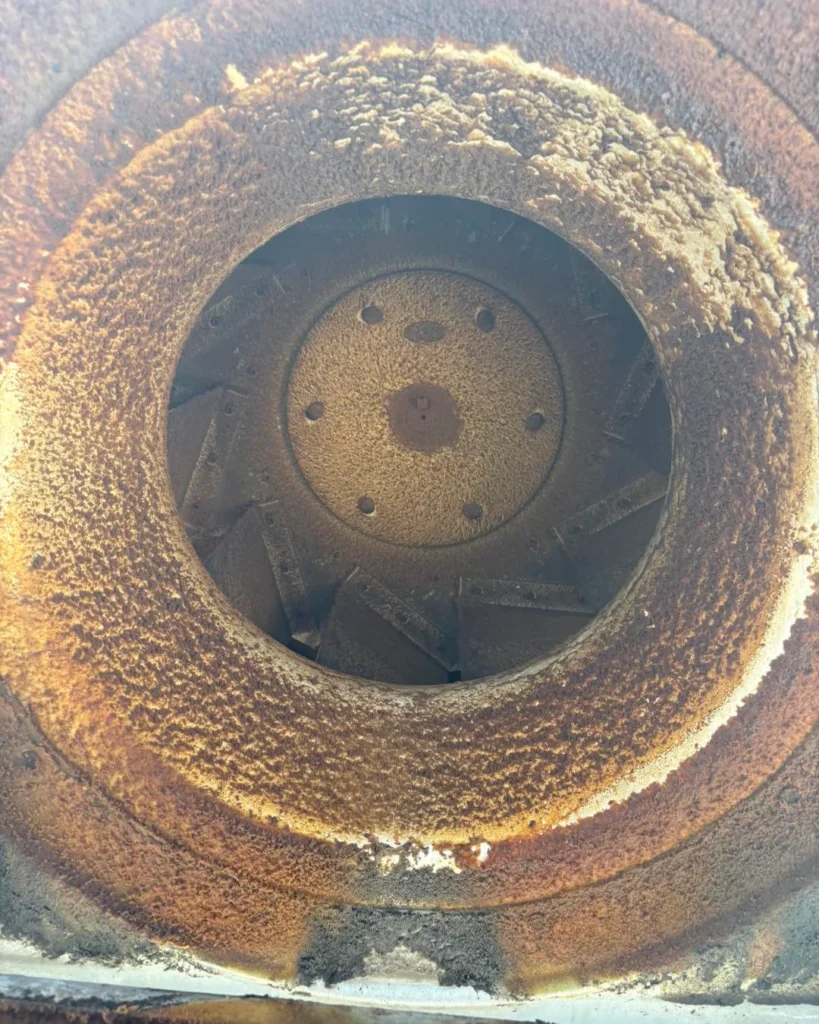
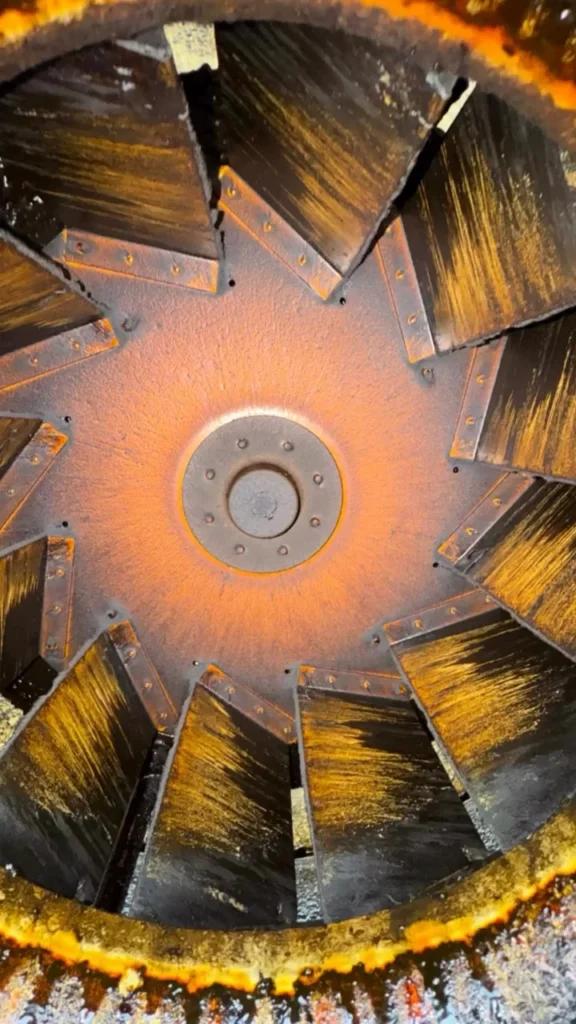
Grease builds up on fan blades and throws them out of balance. Listen for new noise, rattling, vibration or a squealing belt. A fan that is loud today can be a fan that fails during a dinner rush.
What to do: Have the fan inspected and cleaned. Catching it early is far cheaper than a fan replacement.
4. Grease on the roof
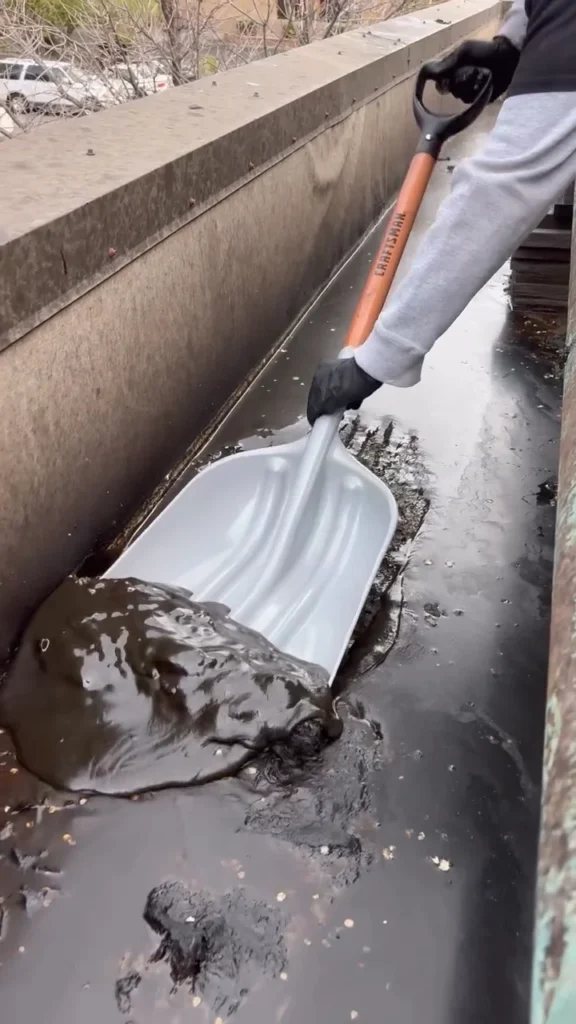
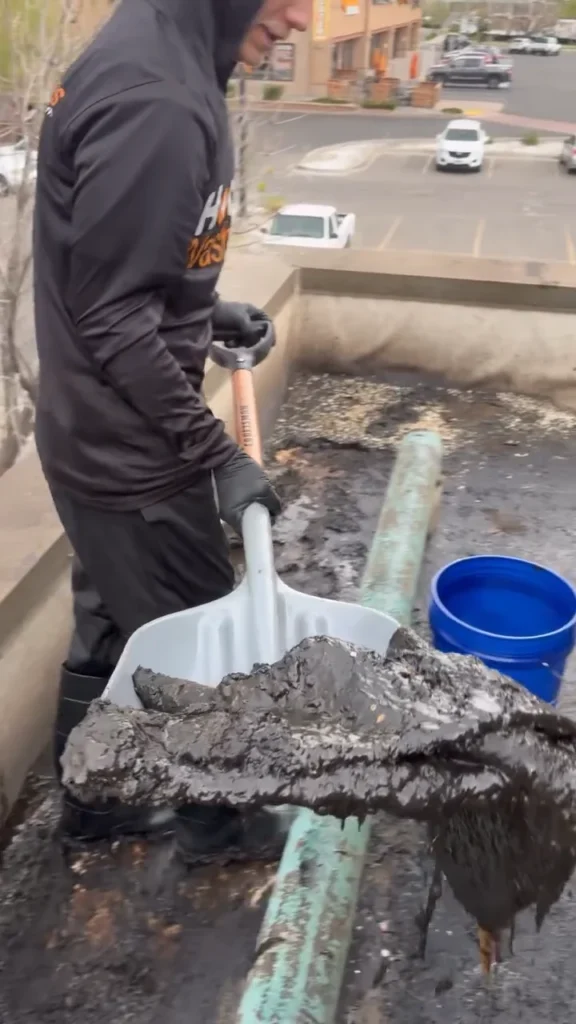
Look at the exhaust fan on the roof. Grease leaking from the fan housing, dark staining around the curb or a grease containment box that is full all point to a system that is overdue. Rooftop grease is a fire hazard and can break down the roof membrane.
What to do: Schedule a cleaning that includes the fan and curb, and ask about replacing the grease containment system.
5. Lingering cooking odors
If old cooking smells hang around after the line shuts down, or smell stale rather than fresh, grease is likely building up in the ductwork and breaking down over time.
What to do: Schedule an inspection. Odor is often one of the first signs of duct buildup.
6. The label on your hood is past due
Check the date on your hood cleaning label. If it is past the interval for your type of cooking, such as quarterly for high-volume kitchens or every 6 months for moderate volume, you are overdue whether or not you can see grease. See How Often Should a Commercial Kitchen Hood Be Cleaned? to confirm your interval.
What to do: Book a cleaning before your next fire inspection, then set a recurring schedule so it does not lapse again.
7. Grease on the suppression nozzles or hood lights
A film of grease on suppression system nozzles, hood light covers or the hood ceiling means vapor is not being captured and drained the way it should. Coated nozzles may not discharge properly in a fire.
What to do: Schedule a hood cleaning and let your fire suppression company know so they can check the nozzles at their next service.
What happens if you ignore the signs your kitchen hood needs cleaning
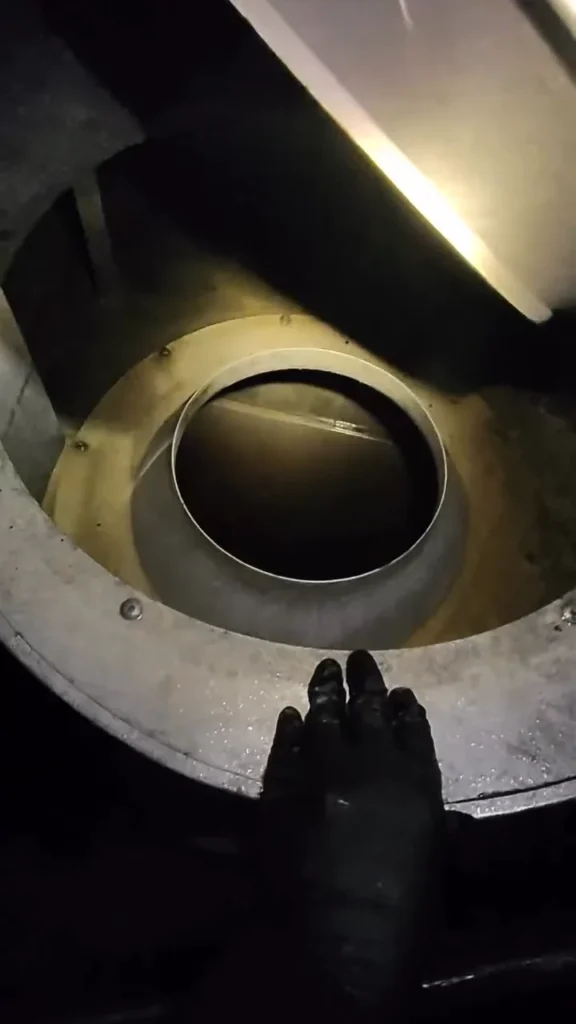
Grease in the ductwork is out of sight, but it is not out of reach of a fire. A flare-up on the cooking line can ignite it and carry fire through the duct to the roof. Overdue systems also take longer and cost more to clean, and they are more likely to earn a citation at inspection. Every sign on this list has the same fix: an inspection, then a cleaning schedule that matches how hard your kitchen cooks.
Between cleanings
- Clean or exchange filters daily or weekly, depending on volume.
- Never cook with filters missing or out of place.
- Look at the roof around the fan once a month.
- Keep the most recent cleaning report handy and act on any deficiencies it lists.
For the full set of NFPA 96 fire safety requirements, read the NFPA 96 Hood Cleaning Requirements: A Plain-English Guide.
Seeing one of these signs?
We will inspect your hood, ductwork and fan, show you photos of what we find and give you a clear quote.
Sources
- NFPA 96: Standard for Ventilation Control and Fire Protection of Commercial Cooking Operations
- Structure fires in eating and drinking establishments (NFPA data)
Related guides
- NFPA 96 Hood Cleaning Requirements: A Plain-English Guide
- Hood Filters vs. a Full Exhaust System Cleaning
- How Much Does Commercial Hood Cleaning Cost?
This guide is general information, not legal advice. Your local fire authority has the final say on which edition of the NFPA 96 fire safety standard applies and how often your system must be serviced.