In this article8 sections
Many kitchens clean their hood filters every week and assume the hood system is taken care of. It is not. Hood filter cleaning is the first line of defense, but filters only catch part of the grease. The rest travels past them into the plenum, ductwork and exhaust fan, which is exactly what NFPA 96, the national fire safety standard for commercial kitchen exhaust systems, requires a full system cleaning to address.
What hood filters do
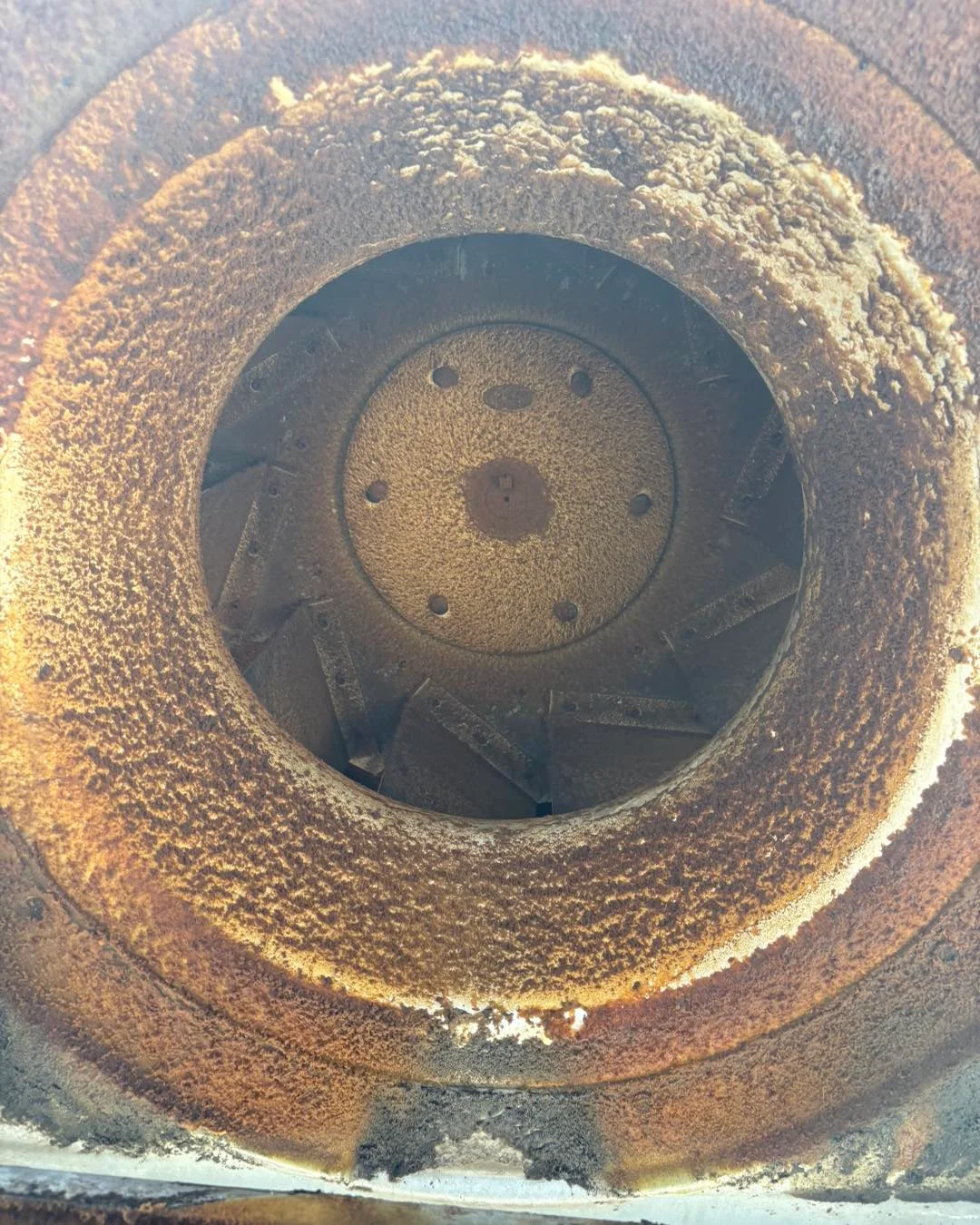
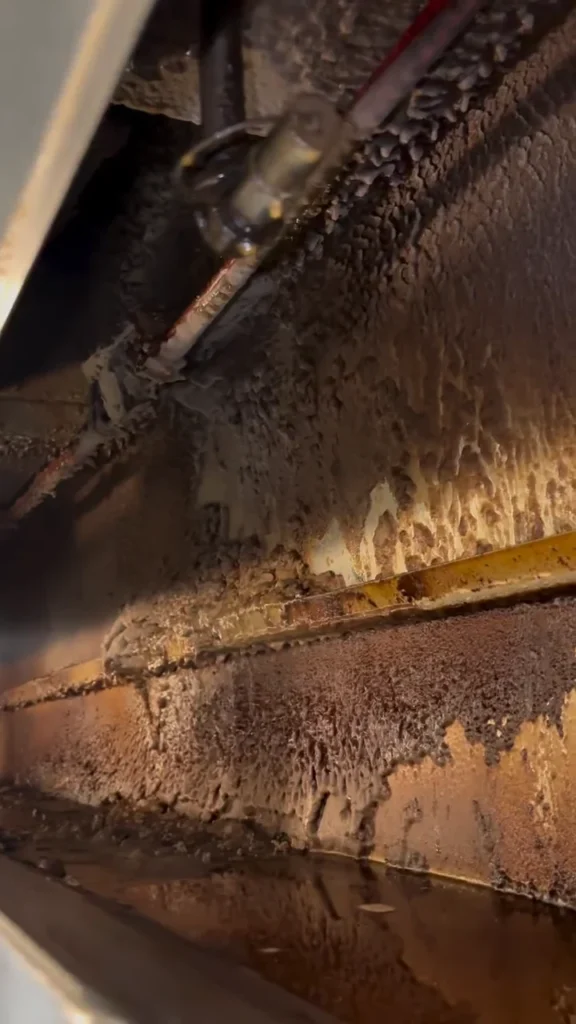
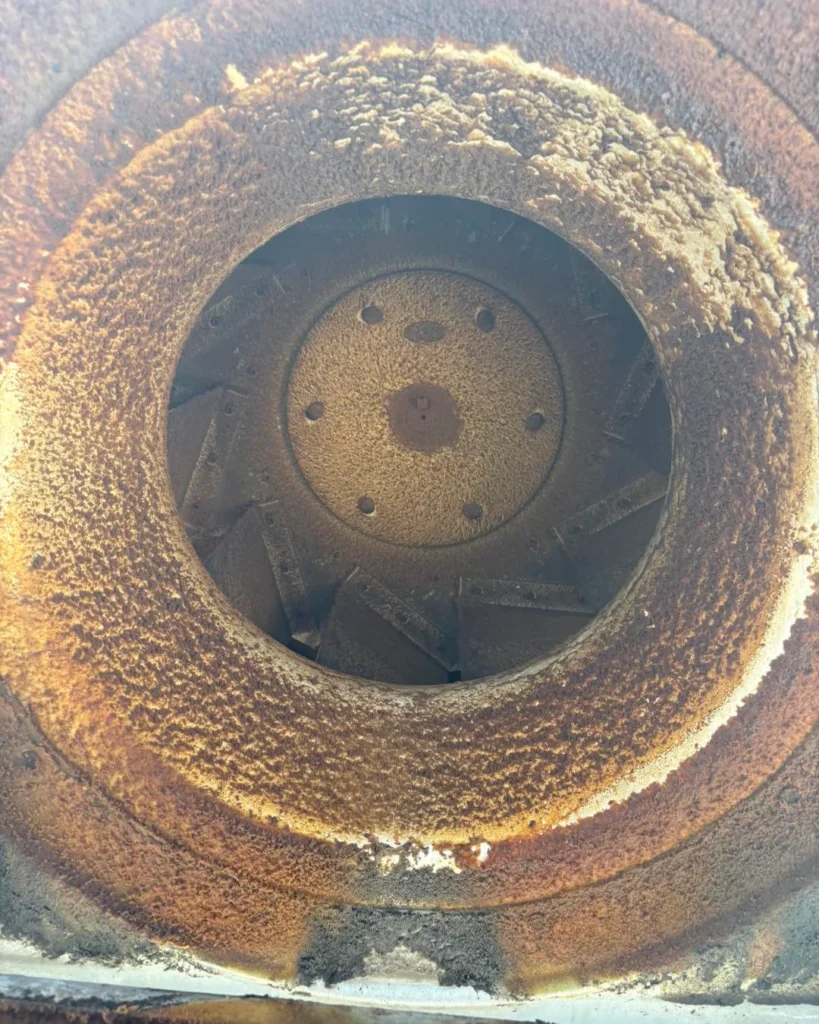
Baffle filters sit at the back of the hood and force the exhaust air to change direction. As it turns, heavier grease droplets hit the baffles, condense and drain into a trough. It is a simple design that works well, but no filter captures everything. Fine grease vapor passes through and condenses farther downstream, on the plenum walls, inside the duct and on the fan blades.
Where the grease goes
| Part of the system | What builds up there | Who cleans it |
|---|---|---|
| Filters | Heaviest grease, captured on the baffles | Kitchen staff or a filter exchange service, daily to weekly |
| Hood interior and plenum | Grease that gets past or around the filters | Hood cleaning crew, on your NFPA 96 cleaning schedule |
| Ductwork | Grease vapor that condenses as the air cools | Hood cleaning crew, through access panels |
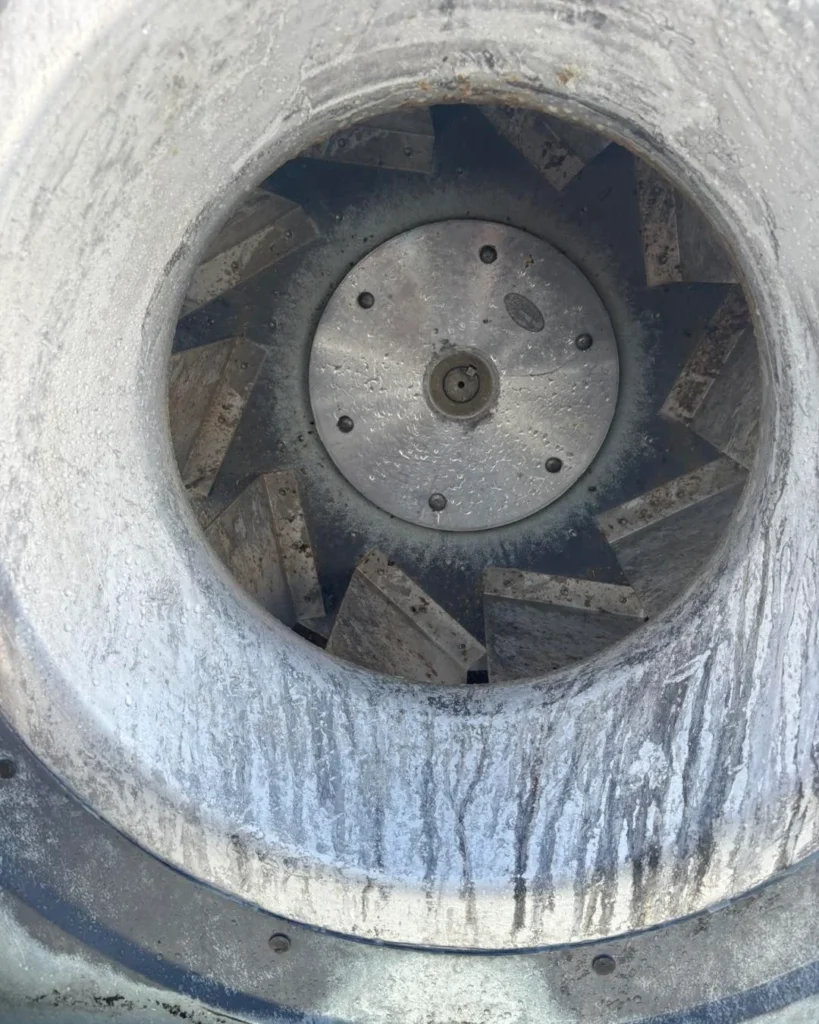
| Exhaust fan | Grease on blades, housing and curb; often the heaviest buildup | Hood cleaning crew, on the roof |
Why filters alone do not meet NFPA 96 fire safety standards
NFPA 96 cleaning standards require the hood, grease removal devices, fans, ducts and other parts of the system to be inspected and, when grease has built up, cleaned to bare metal by trained, qualified technicians. The trigger is a measured grease depth: 0.078 inch (2,000 microns) on hood and duct surfaces, or 0.125 inch (3,175 microns) in the fan housing, under the 2024 edition. Clean filters do not change what is happening in the duct and fan, and they do not give you the label and written report an inspector will ask for.
What a full exhaust system cleaning covers
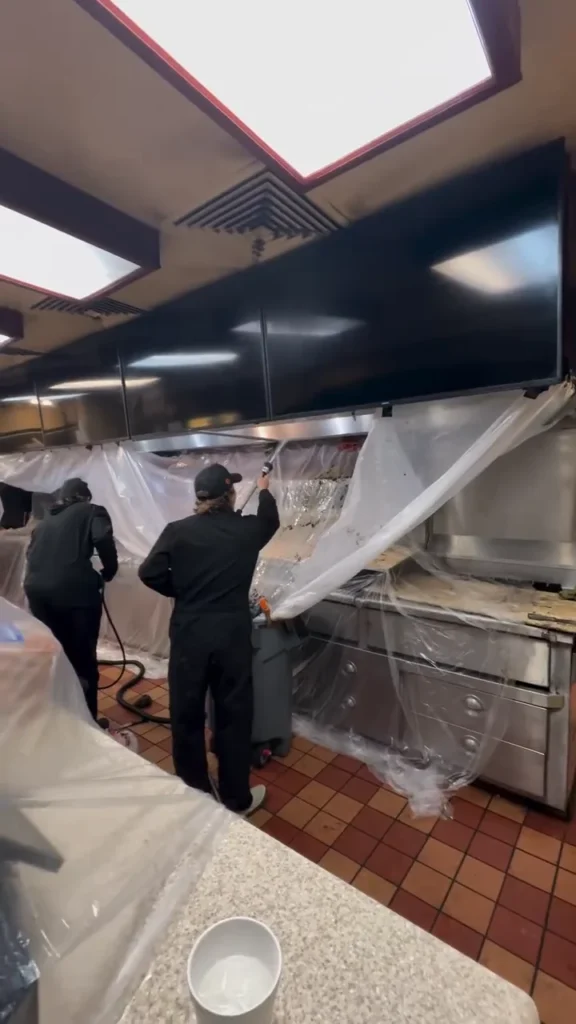
- Hood and plenum, scraped and degreased behind the filters.
- Filters, removed and cleaned or swapped for clean ones.
- Ductwork, cleaned through access panels from the hood to the roof.
- Exhaust fan, including blades, housing and curb.
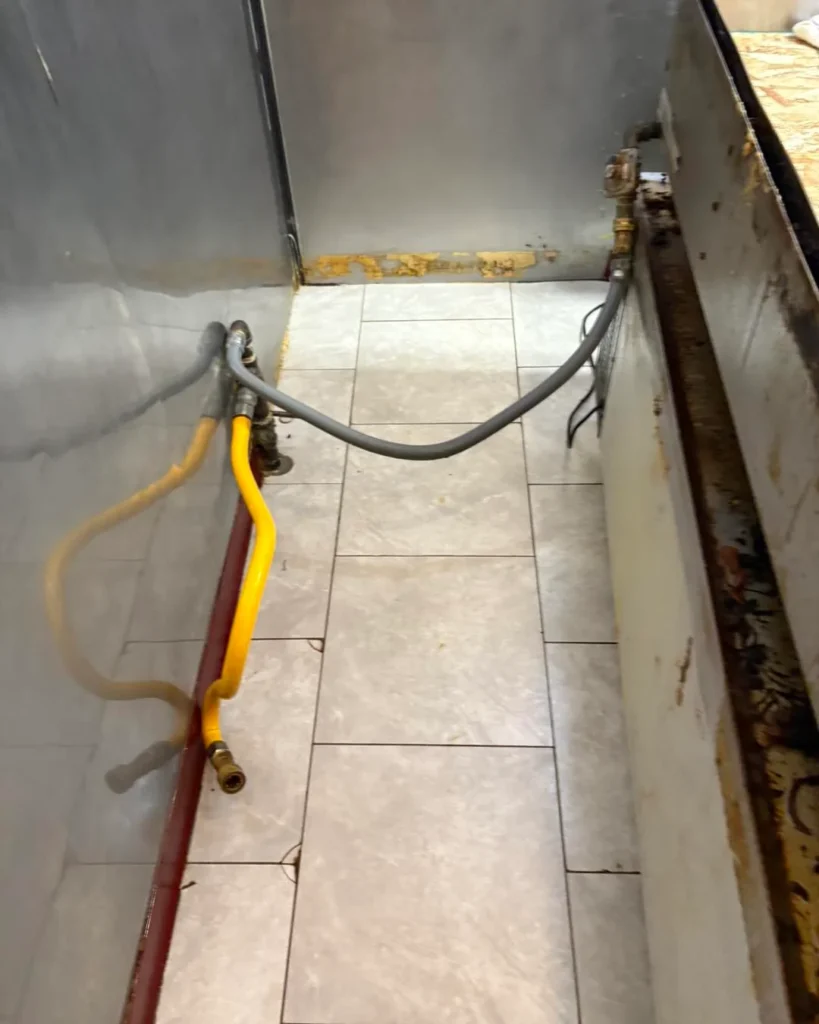
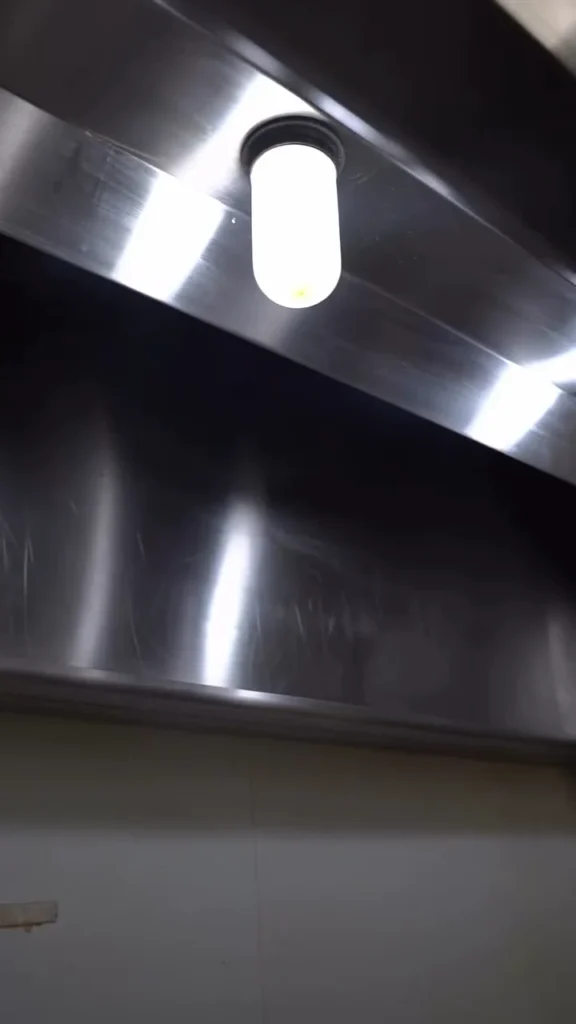
- Documentation, with a label on the hood and a written report, including any areas that could not be reached.
How the two work together
Good filter care and a full system cleaning are not either-or. Clean filters capture more grease, which slows buildup in the duct and fan and keeps your system within limits between scheduled cleanings. A full cleaning removes what the filters miss. Skipping either one makes the other work harder.
Hood filter cleaning best practices
- Clean on a routine. Daily for high-volume lines like charbroilers and fryers, weekly for most others.
- Never cook without filters. An open hood sends grease straight into the duct.
- Use the right filters. NFPA 96 fire safety standards require listed grease filters. Mesh filters are not allowed as the primary grease removal device.
- Replace damaged filters. Bent baffles and broken frames let grease bypass the filter.
- Close the gaps. Filters should fill the opening completely. Use filler panels where needed.
- Install them correctly. Baffles run vertically so grease drains into the trough.
For everything NFPA 96 compliance requires, including how often your full system needs service, read the NFPA 96 Hood Cleaning Requirements: A Plain-English Guide.
When was your ductwork last cleaned?
If the answer is “not sure,” start with a free inspection. We will show you photos of the duct and fan and tell you where your system stands.
Sources
Related guides
- NFPA 96 Hood Cleaning Requirements: A Plain-English Guide
- How Often Should a Commercial Kitchen Hood Be Cleaned?
- 7 Signs Your Kitchen Hood System Is Overdue for Cleaning
This guide is general information, not legal advice. Your local fire authority has the final say on which edition of the NFPA 96 fire safety standard applies and how often your system must be serviced.