In this article8 sections
How often should a commercial kitchen hood be cleaned? The short answer: anywhere from once a month to once a year, depending on what you cook and how much of it. NFPA 96, the national fire safety standard for commercial kitchen exhaust systems, sets minimum intervals by type of cooking operation. Your local fire department can require more. Here is how to figure out where your kitchen fits.
The NFPA 96 cleaning frequency table
| Type of cooking operation | Examples | Minimum frequency |
|---|---|---|
| Solid fuel | Wood-fired pizza ovens, charcoal grills, smokers | Monthly |
| High volume | 24-hour kitchens, charbroiling, wok cooking, busy fast food | Quarterly (every 3 months) |
| Moderate volume | Most full-service restaurants, hotel kitchens, school and hospital cafeterias | Semiannually (every 6 months) |
| Low volume | Churches, day camps, seasonal businesses, senior centers | Annually |
NFPA 96 fire safety standards list the first and last categories by name. “High volume” and “moderate volume” are judgment calls, which is why two similar restaurants can end up on different schedules. Grease output matters more than the type of restaurant. A café that runs a flat-top all day can load a system faster than a dinner-only restaurant with a big menu.
Inspection vs. cleaning
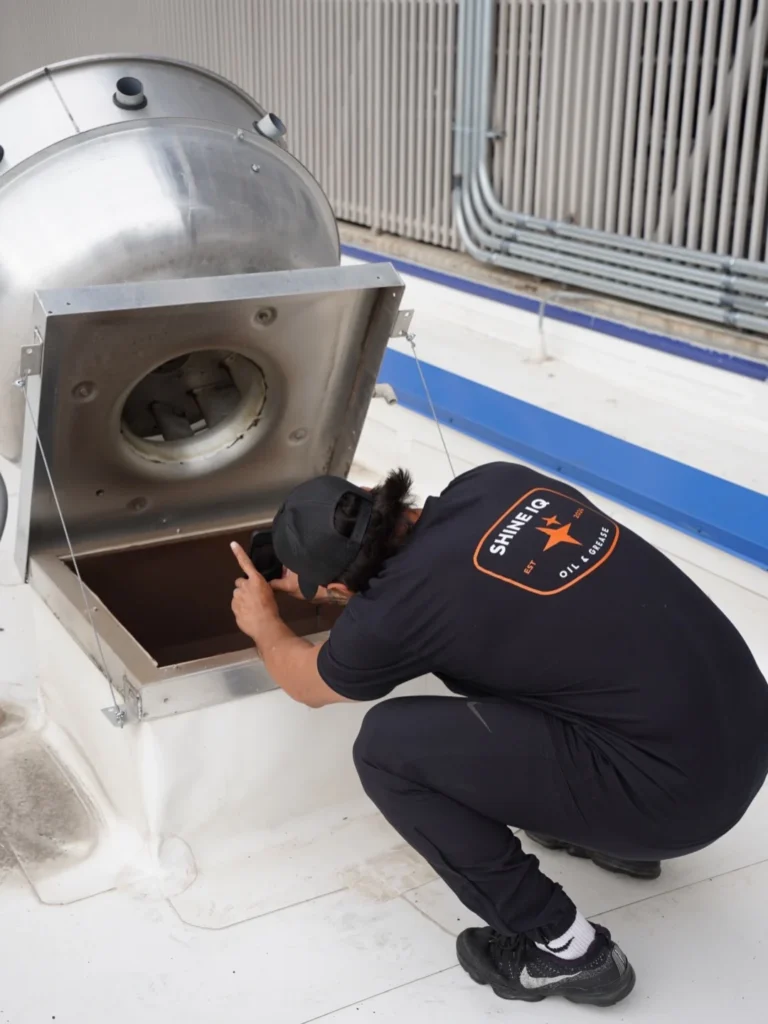
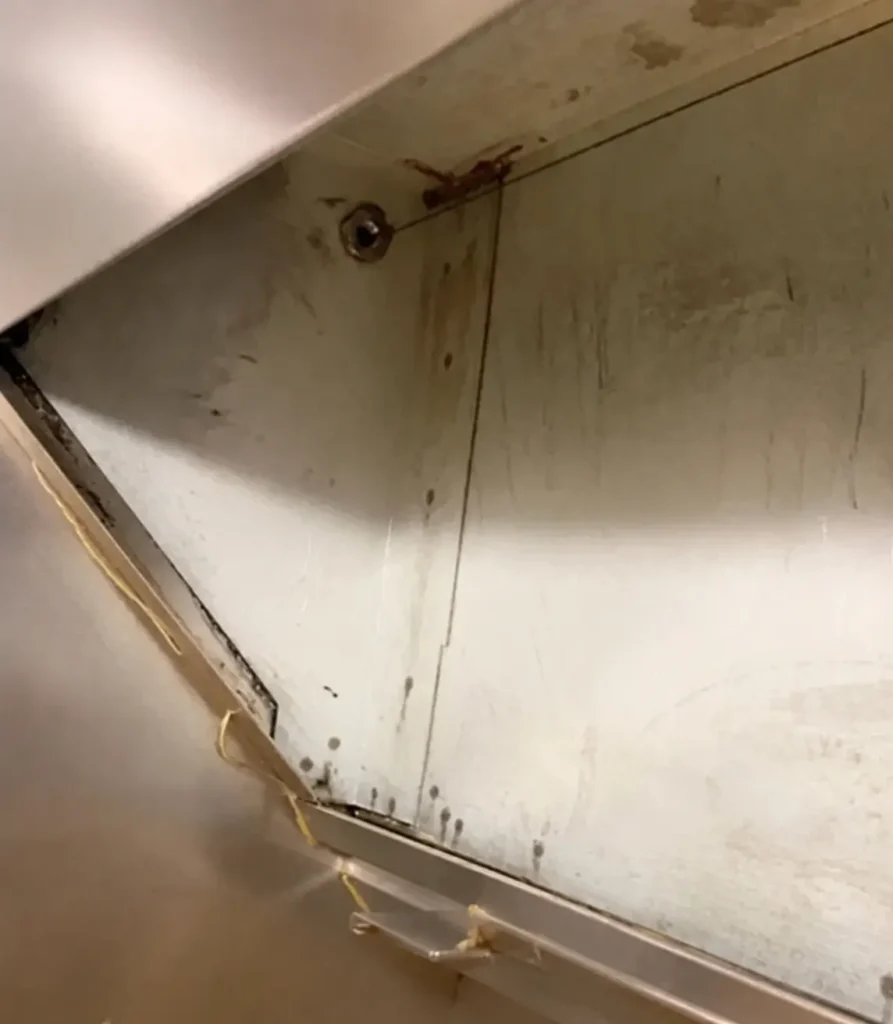
Technically, the frequency table in the NFPA 96 fire safety standards sets inspection intervals. If the inspection finds grease buildup, the system has to be cleaned. Under the 2024 edition, a deposit of 0.078 inch (2,000 microns) on hood or duct surfaces, or 0.125 inch (3,175 microns) in the fan housing, triggers cleaning.
For most working restaurants, an inspection at the required interval finds enough grease to require cleaning, so the inspection interval becomes the cleaning interval. Kitchens that cook very little may be able to inspect on schedule and clean less often, but only if the inspection shows the system is still within limits.
Your local fire department can set a different schedule
The fire department that inspects your kitchen is the “authority having jurisdiction,” and it decides which version of the code applies and whether to tighten the intervals. Local rules vary. Portland Fire & Rescue, for example, lists wok cooking with solid fuel cooking at a monthly minimum, stricter than the national table, and requires anyone cleaning a system in the city to hold a Portland certificate of fitness. If you have locations in more than one city, check each one rather than assuming the same schedule applies everywhere.
What pushes your kitchen toward more frequent cleaning
- Cooking method. Charbroilers, woks, fryers and griddles throw off far more grease than ovens, steamers or kettles.
- Hours. A kitchen that cooks 18 hours a day loads its system much faster than one open for dinner only.
- Menu. Burgers, wings, bacon and fried foods mean more airborne grease.
- Filter care. Filters that are cleaned less often, damaged or missing let more grease into the duct and fan.
- System design. Long horizontal duct runs, multiple turns and low fan speed give grease more places to settle.
- Seasonal peaks. Holiday rushes, game days and summer patio season can double output for weeks at a time.
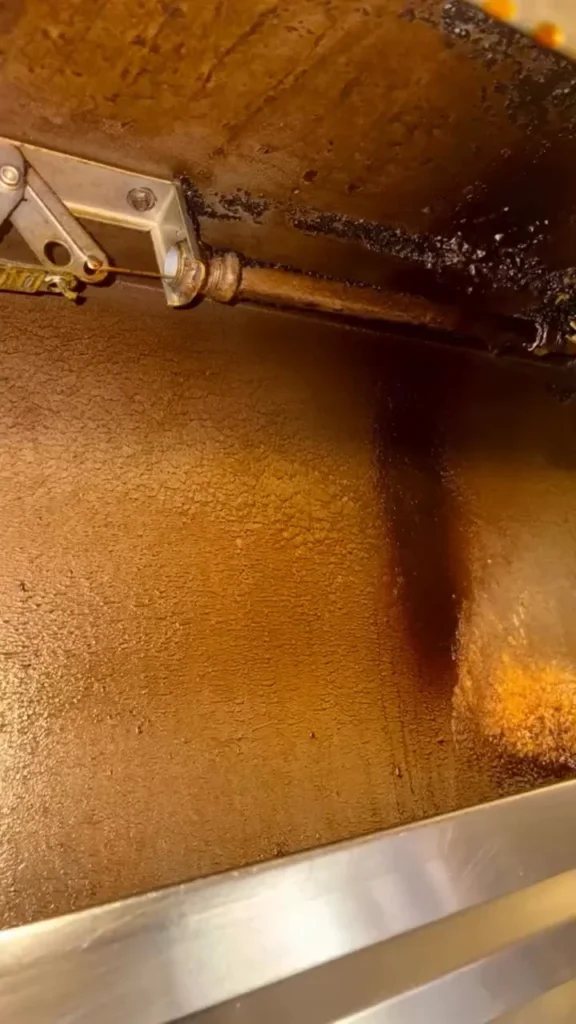
So, how often should a commercial kitchen hood be cleaned?
- Start with the category. Use the table above to pick your starting interval.
- Check with your fire department. Confirm whether your city or county requires something stricter.
- Get a baseline cleaning. The first cleaning shows how much grease your system collects between visits.
- Adjust after the second visit. If the crew is finding heavy buildup, shorten the interval. If the system is staying well within limits, your current schedule is working.
- Put it on a recurring schedule. A standing appointment is easier to keep than a reminder, and it keeps your cleaning label from expiring.
At ShineIQ, every After-Service Report ends with a recommended next service date based on what the crew actually found, so the schedule follows your kitchen rather than a generic calendar.
What happens if you go too long between cleanings
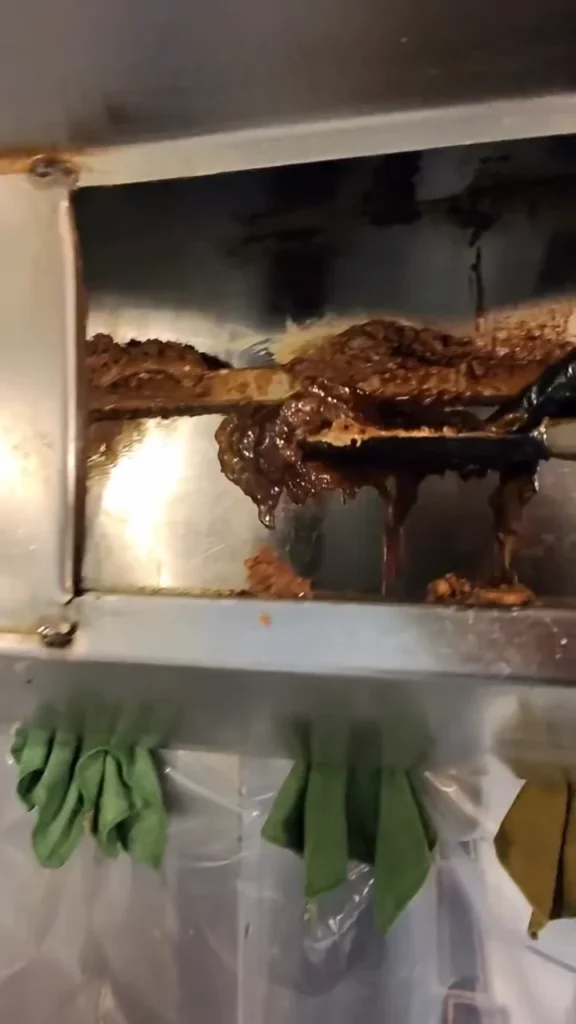
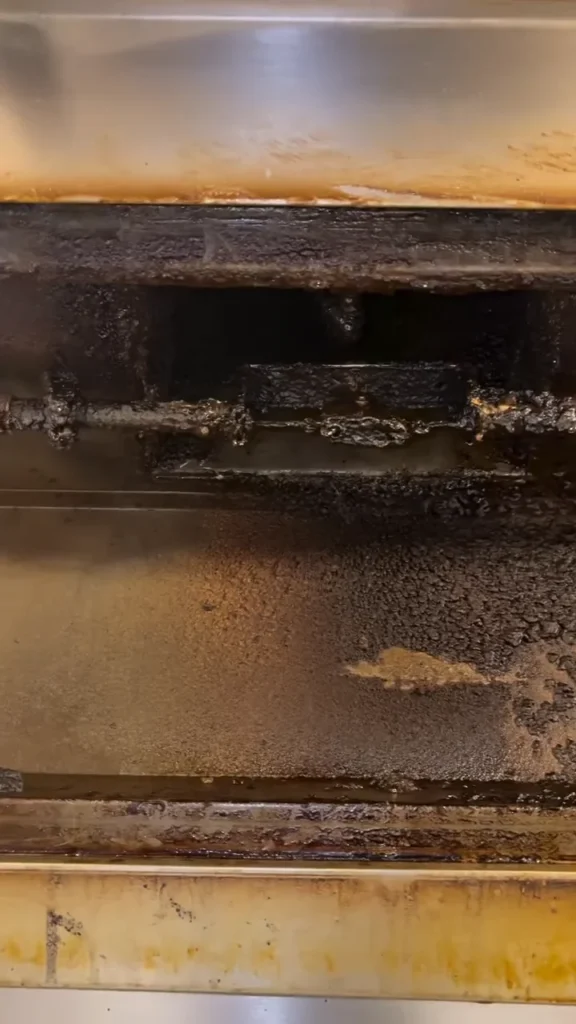
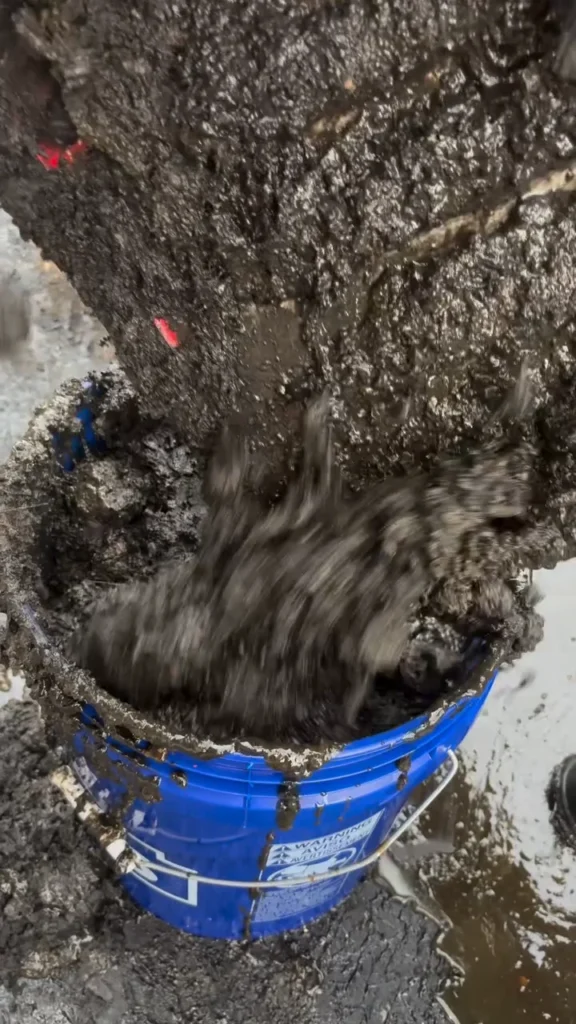
Overdue systems collect grease in places that are hard to see and hard to reach, especially horizontal duct runs and the exhaust fan. That raises the risk of a duct fire, makes the next cleaning longer and more expensive and can lead to a citation or a failed inspection. It can also make an insurance claim harder to support. Staying on schedule is cheaper than catching up. For the full picture of what NFPA 96 compliance requires, see the NFPA 96 Hood Cleaning Requirements: A Plain-English Guide.
Not sure which schedule fits your kitchen?
Our free inspection measures what is in your hood, ductwork and fan and gives you a recommended interval based on how your kitchen actually cooks.
Sources
- NFPA 96: Standard for Ventilation Control and Fire Protection of Commercial Cooking Operations
- Portland Fire & Rescue FIR 8.08
- International Fire Code inspection frequency table (City of Charleston)
Related guides
- NFPA 96 Hood Cleaning Requirements: A Plain-English Guide
- 7 Signs Your Kitchen Hood System Is Overdue for Cleaning
- What Fire Inspectors Check in a Commercial Kitchen Exhaust System
This guide is general information, not legal advice. Your local fire authority has the final say on which edition of the NFPA 96 fire safety standard applies and how often your system must be serviced.